

When visiting Bayonne, a visit to the Basque Museum is highly recommended! It’s the best way to learn about Basque society, thanks to a rich collection of objects and works of art.
Once upon a time, a museum and life in the Basque Country
Museum history
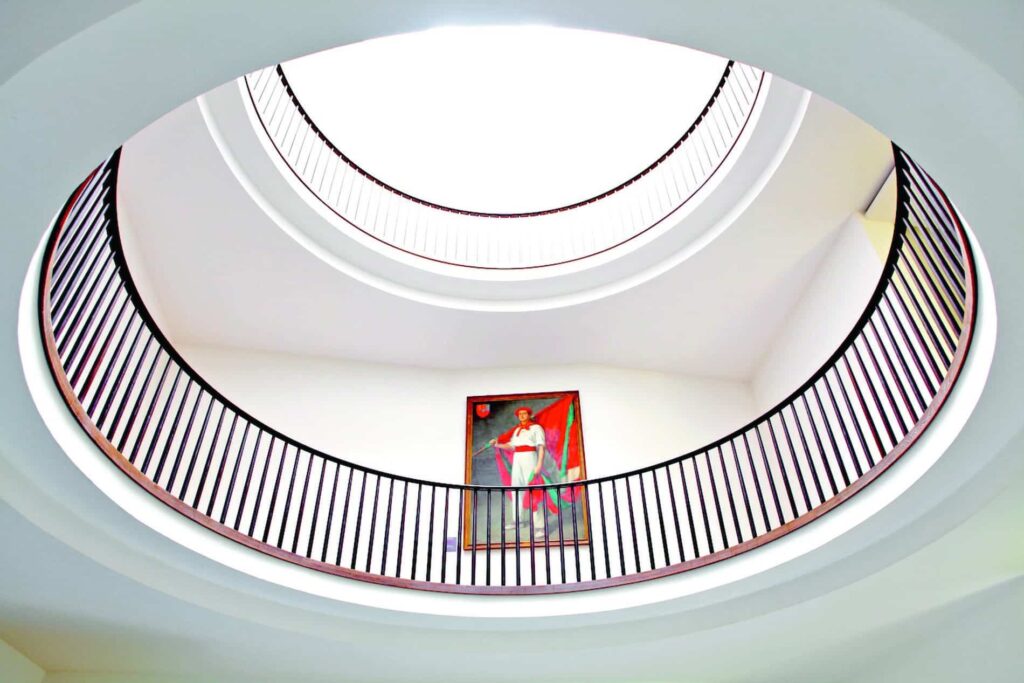
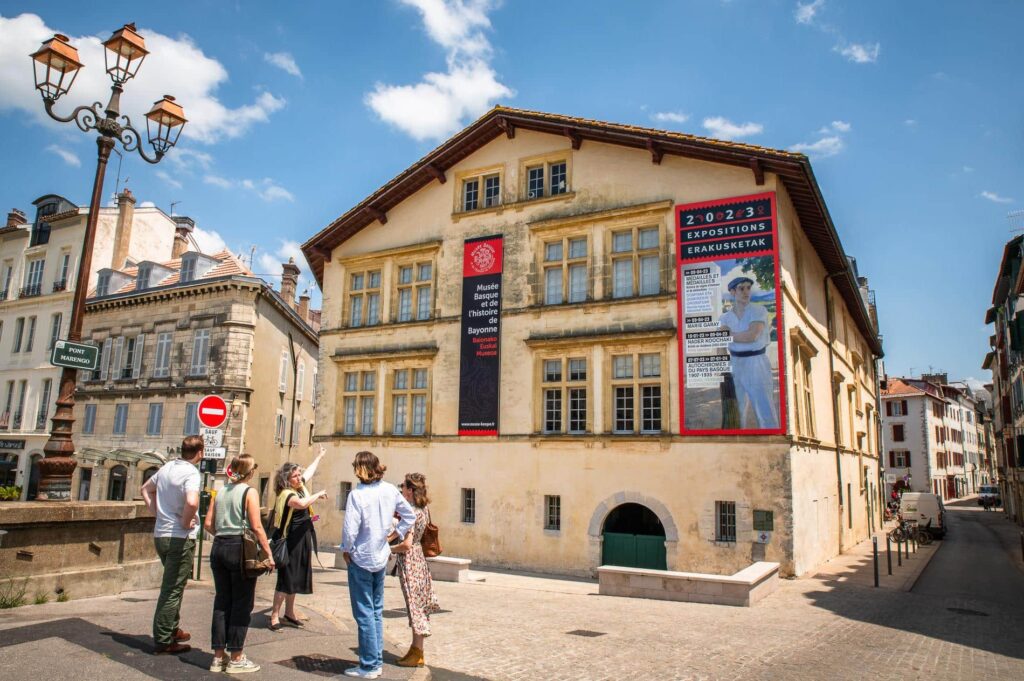
The Maison Dagourette was built in the late 16th early 17th centuries on the banks of the Nive by a wealthy Bayonne merchant, and is one of the town’s oldest buildings. In 1640, the house was temporarily home to the Visitandine sisters; then, in 1680, it became a civil hospital, which survived until the Second Empire. It was at this time that a window was opened so that Bayonnais could anonymously drop off abandoned children. This “baby drop-off” is still visible today.
The Maison Dagourette was then leased by the hospice administration to a number of shopkeepers, before being bought by the town in 1922; the Musée Basque opened there in 1924. Listed as a historic monument in 1991, it was beautifully restored in 2001.
An extraordinary collection
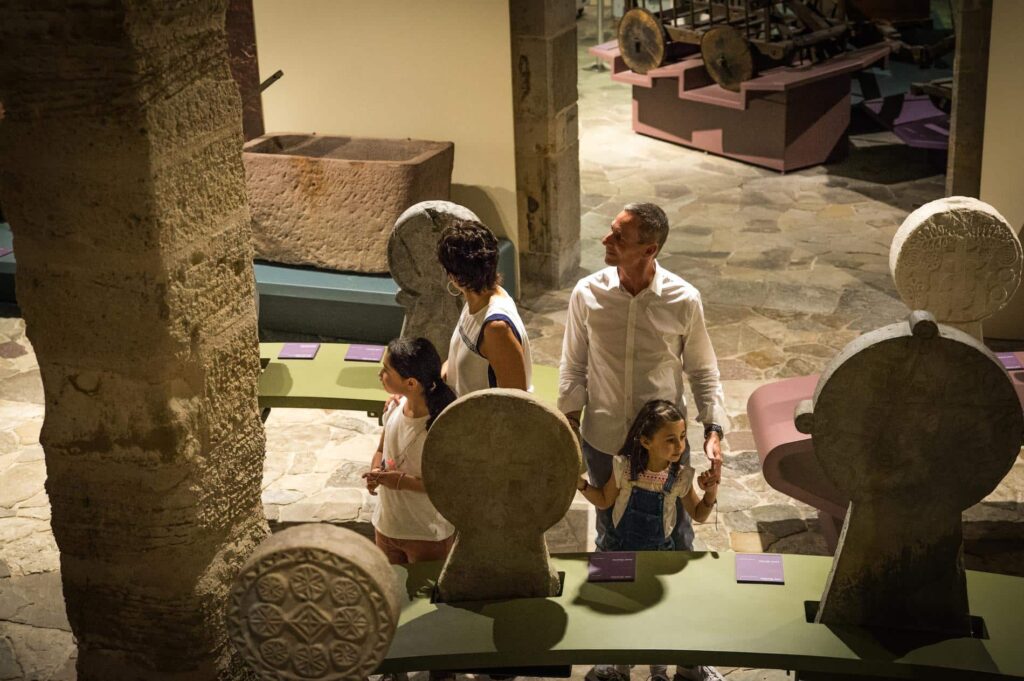
The museum is spread over three levels, with a rich collection divided into two main areas: ethnography and history. In addition, there is an exceptional selection of regional art. The ethnographic section is housed in the port warehouses, while the history and art sections occupy the upper floors of the house.
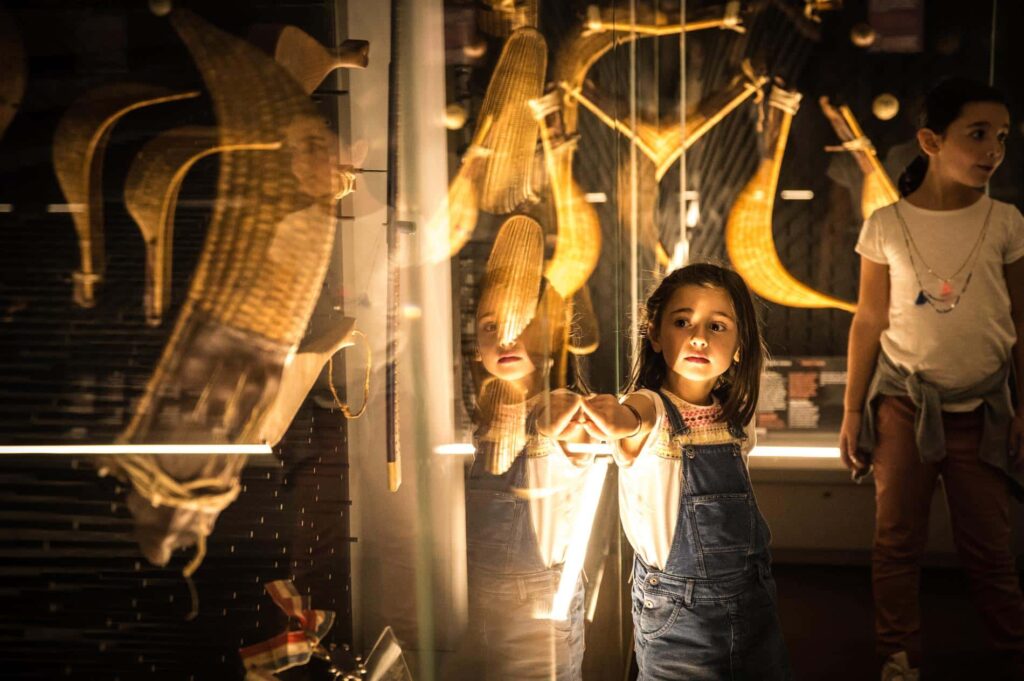
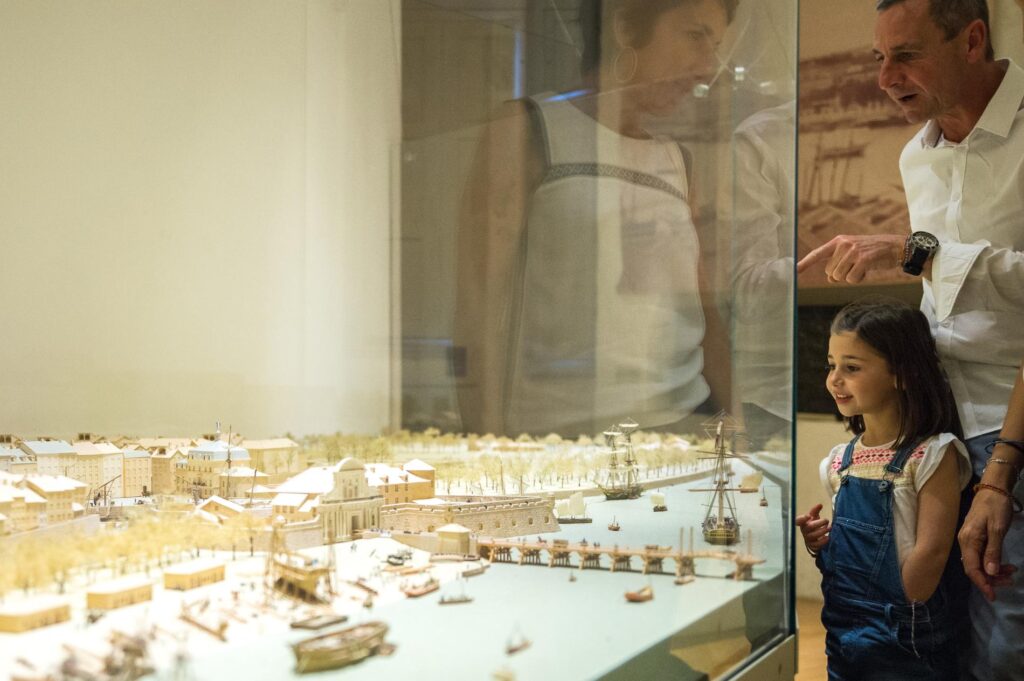
In all, over 2,000 objects and paintings are on display. They illustrate different aspects of Basque culture: rural and domestic life, funeral rites, crafts, maritime and river activities, festivals and games, regional history…
The reserves hold 85,000 items of all kinds. There are 20,000 graphic documents (drawings, prints, posters, etc.), 50,000 photographs and 15,000 objects (tools, furniture, etc.). The collections cover a vast period, from prehistory to the second half of the 20th century. All these pieces tell the story of Basque society at the dawn of the great upheavals of the modern world, as well as the history of Bayonne, a seaport and river port at the crossroads of Basque, Gascon and Jewish cultures.

Around the collection
Ask for the program! Temporary exhibitions are organized on a regular basis. Recent examples include: Le Pays Basque en couleurs – Autochromes, 1907-1935; Marie Garay; Nader Koochaki’s Soineko Paisaia; Médailles et MédailléEs; and Léon Bonnat, peintre il y a cent ans.
Every Thursday at 6pm, Les jeudis au musée (Thursdays at the museum) offers lectures, sometimes with music and dance, film screenings, etc. Admission is free with reservation.
Tours for all ages
Plan your visit
The museum is open all year round from Tuesday to Sunday; it is closed on Mondays, Thursday mornings and public holidays, except in summer on July 14 and August 15. It’s free for under-26s.
The explanatory texts accompanying the works are trilingual: French, Basque and Spanish.
Before you arrive, you can download an application to use as an audioguide during your visit. Guided tours are offered during the summer school vacations, on Tuesdays, Wednesdays, Fridays and Saturdays at 11am.
Tools – in French and Basque – are available for families, to interest the youngest visitors.
School visits are available in French, French as a foreign language, Basque, Spanish, English and German, from the first year upwards. Themed courses are available from cycle 2 to high school, in French and Basque.
Group tours are available by booking one month in advance. Tours are available in French, Basque, Spanish, English, German, Dutch, Russian or Portuguese.

You’ll also like
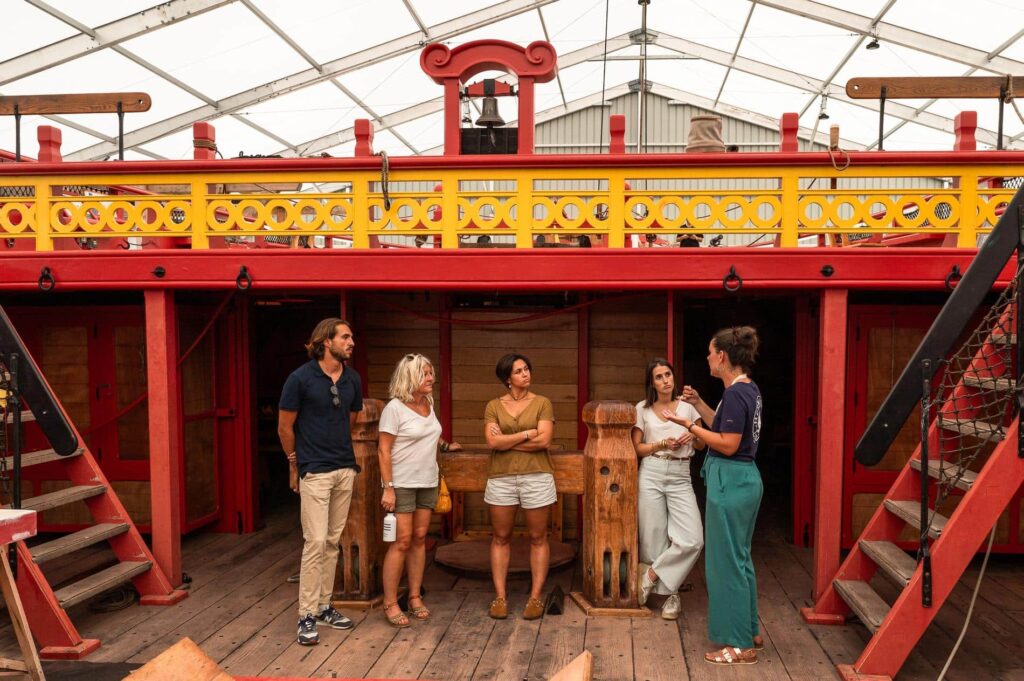
Visit the Hermione
Explore the Hermione undergoing a major refit in the port of Bayonne
Sites and museums
Perched on a remarkable site at the confluence of the Nive and Adour rivers, the smiling capital of the Northern Basque Country boasts a unique artistic and architectural heritage.
Book
Accommodation, activities, guided tours…