

Basque gastronomy is rich in exceptional products. Chocolate and ham are, of course, the emblems of Bayonne’s good taste, but there are a host of other dishes that you should try during your visit.
The flavours of Bayonne
Ham, the obvious choice
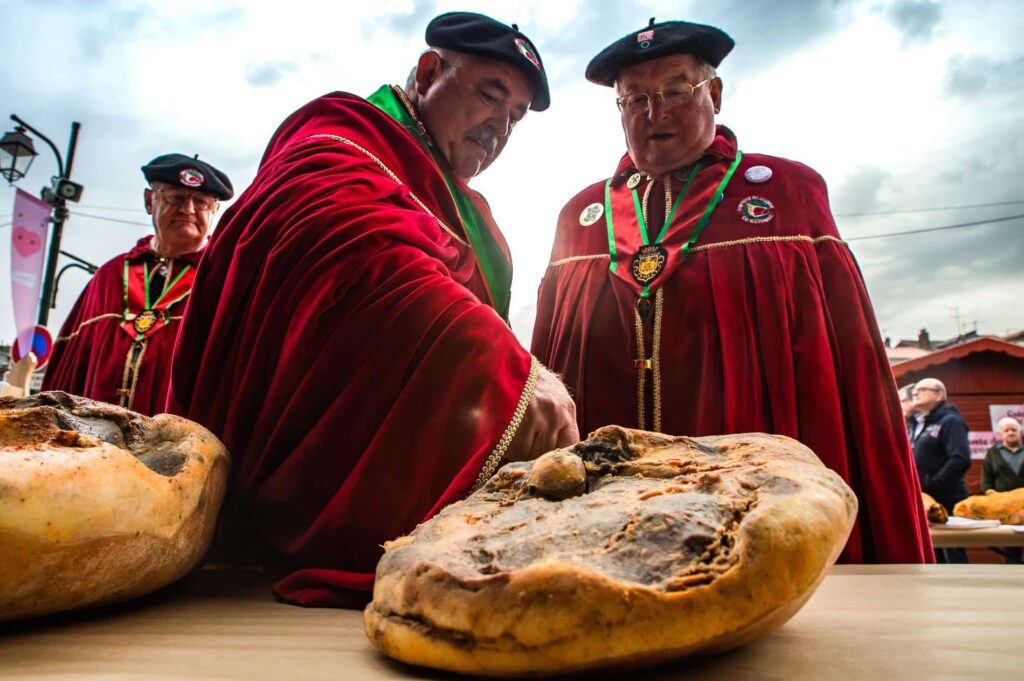
Bayonne’s gastronomy is inseparable from the ham to which the town gives its name. Bayonne” accounts for 20% of cured ham production in France. Its history dates back to the 14th century, when a wild boar, wounded during a hunt, was found perfectly preserved in a saltwater stream in Salies-de-Béarn. The salt preservation method was adopted by towns along the Adour, and the commercial port of Bayonne became Europe’s leading exporter of ham, giving its name to the product.
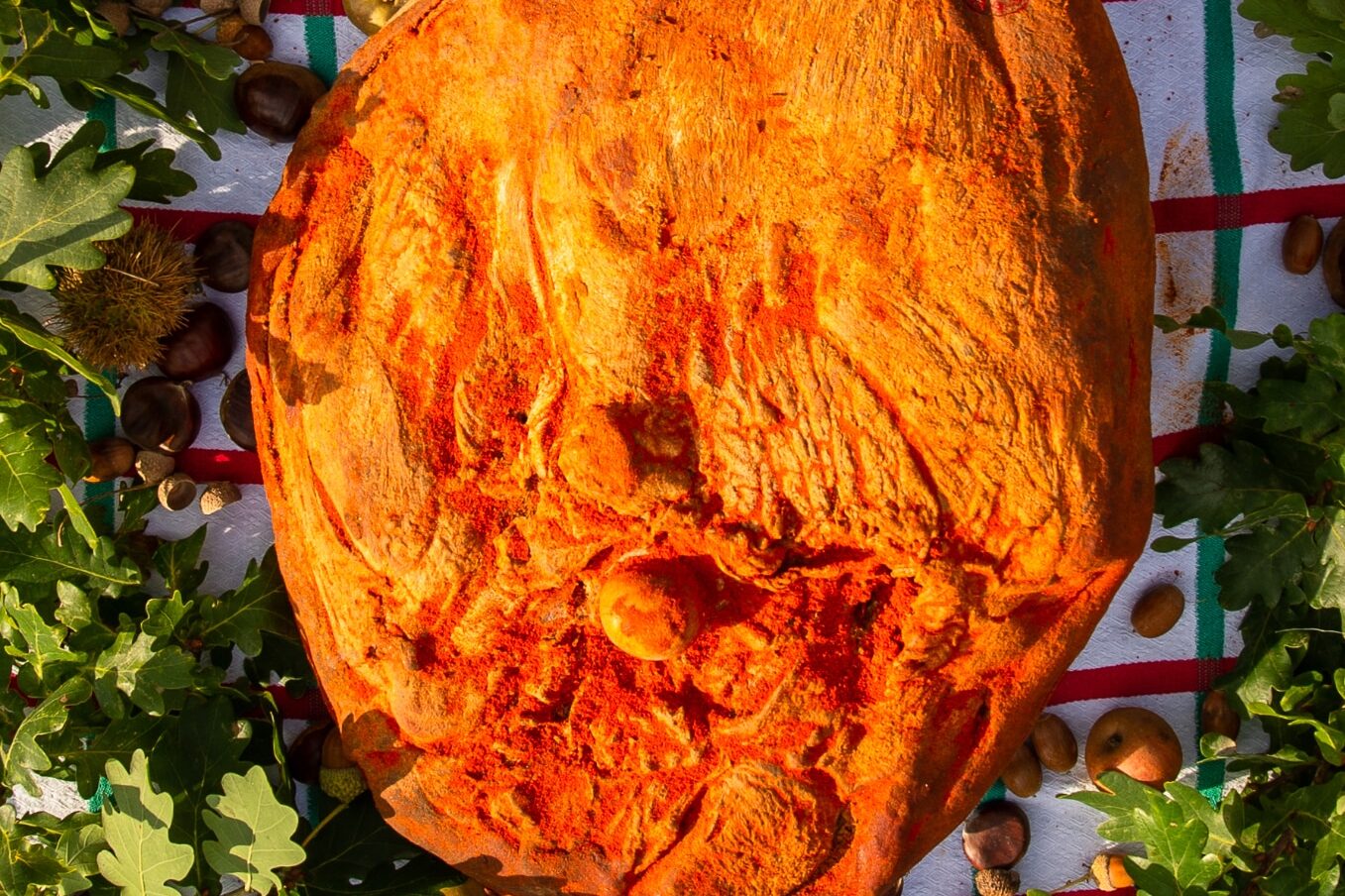
Today, it is the Bayonne Ham Consortium which federates all players in the industry: it defines the breeding zone (the South-West), the curing zone (the Adour basin), and imposes the use of Salies-de-Béarn salt for curing. Since 1998, the I.G.P. indication has been the true guarantee of Bayonne Ham‘s origin.
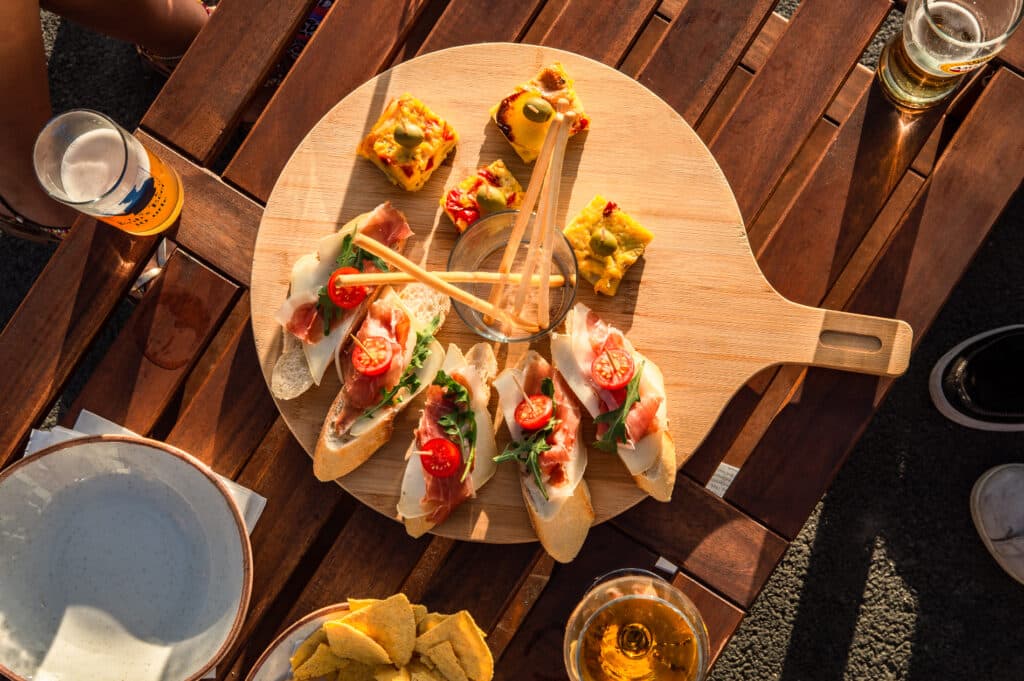
Another thing everyone agrees on is its taste. Serve raw as an aperitif, slightly sweating, it will reveal all its secrets, a hazelnut flavour and unrivalled softness; for breakfast, pan-fried for 1 min on each side with 2 fried eggs, or on the go with an taloa (a pancake made from corn flour and water) ham and sheep’s cheese, a real treat!
Bayonne is home to a number of cured meats producers, specializing in Bayonne ham but not only. You can discover Kintoa ham, from a pig with a two-tone black and white coat. This very hardy breed, which almost disappeared in the 1980s, has been revived by Pierre Oteiza. You can discover this ham in the boutique on rue d’Espagne, or at Maison Aubard, which also produces this exceptional product.
Another product of excellence is Ibaiama, a ham imagined by 3 farmers and 3 charcutiers, including Christian Montauzer, to recapture the taste of the farmhouse hams of their childhood.
To discover this emblematic local product, why not come along to the Foire au jambon de Bayonne?
Ham to visit
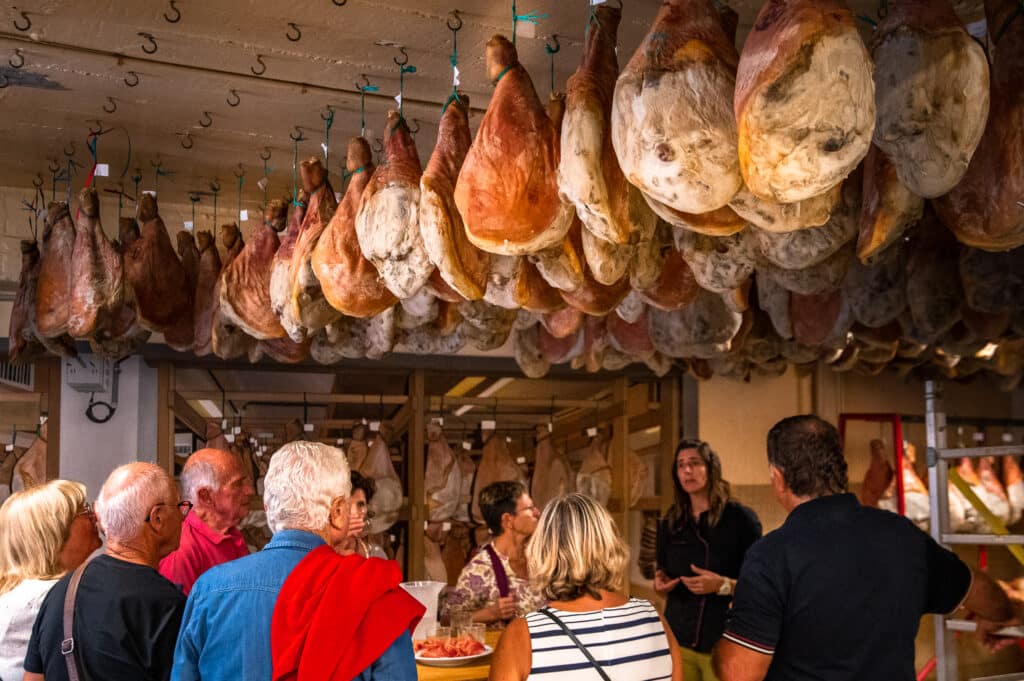
For gourmets and the more curious, you can visit the Musée du Jambon at Maison Aubard, or take a guided tour of Pierre Ibaïalde’s salting workshop in the heart of Petit Bayonne. Here you’ll discover the craft of artisan canning and salting. Pierre Ibaialde will show you all the steps involved in making a ham, from rearing to maturing. After the theory, there’s the practical part: tasting in the maturing room, with nearly 800 hams hanging over your head.

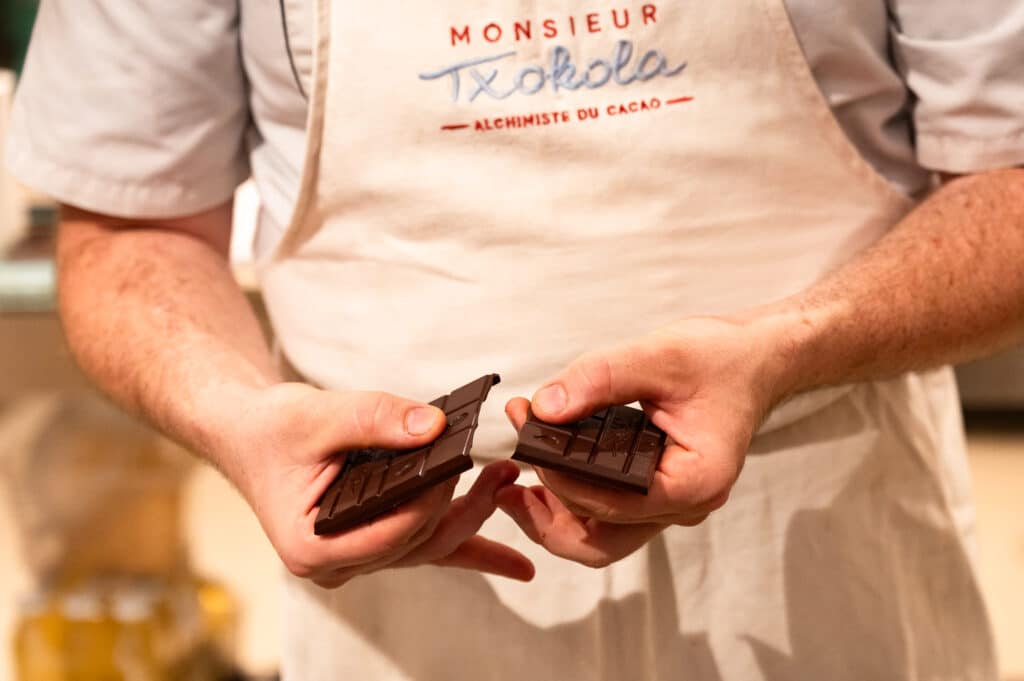
Hot chocolate!
So you see, chocolate is sacred in Bayonne! Introduced to Saint-Esprit by Marrano Portuguese Jews driven from their homeland by the Inquisition, it would go on to make the town famous. The Bayonne Chocolate Academy has been defending this culinary heritage since 1993, with a commitment to rigorous manufacturing criteria and the use of noble materials. At the heart of this academy are l’Atelier du Chocolat, Cazenave, Daranatz, Pariès, Chocolat Pascal and Monsieur Txokola, who together created “Bayonne fête son chocolat”, held on the first weekend in November.
Pure indulgence, hot chocolate embodies moments of sharing and conviviality. Our chocolatiers’ recipes embody centuries of expertise. These jealously guarded preparations offer an incomparable taste experience. Almost a trip back in time.
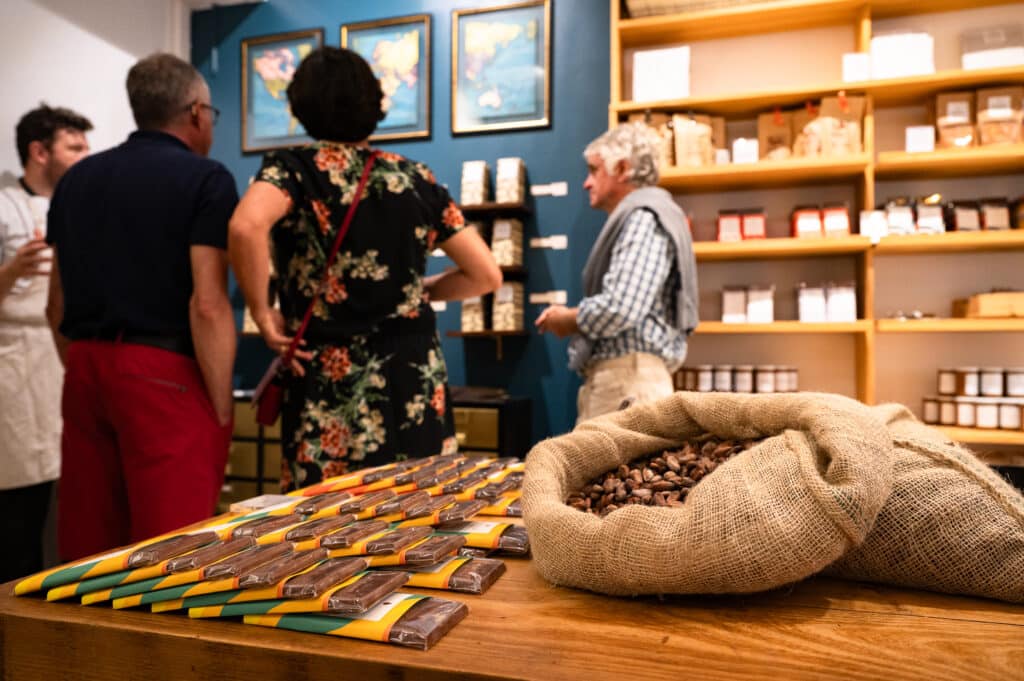
Enjoy chocolate in all its forms! Hot chocolate, chocolate chips, chocolate bars, chocolate ballotins, chocolate spreads, Basque chocolate cakes and even… chocolate bouquets – there’s something for everyone. And to perfect your chocolate knowledge, don’t forget to visit the Museum of chocolate or take part in the “Chocolat gourmand” guided tours offered by the Tourist Office.
The products that give the Basque Country its identity
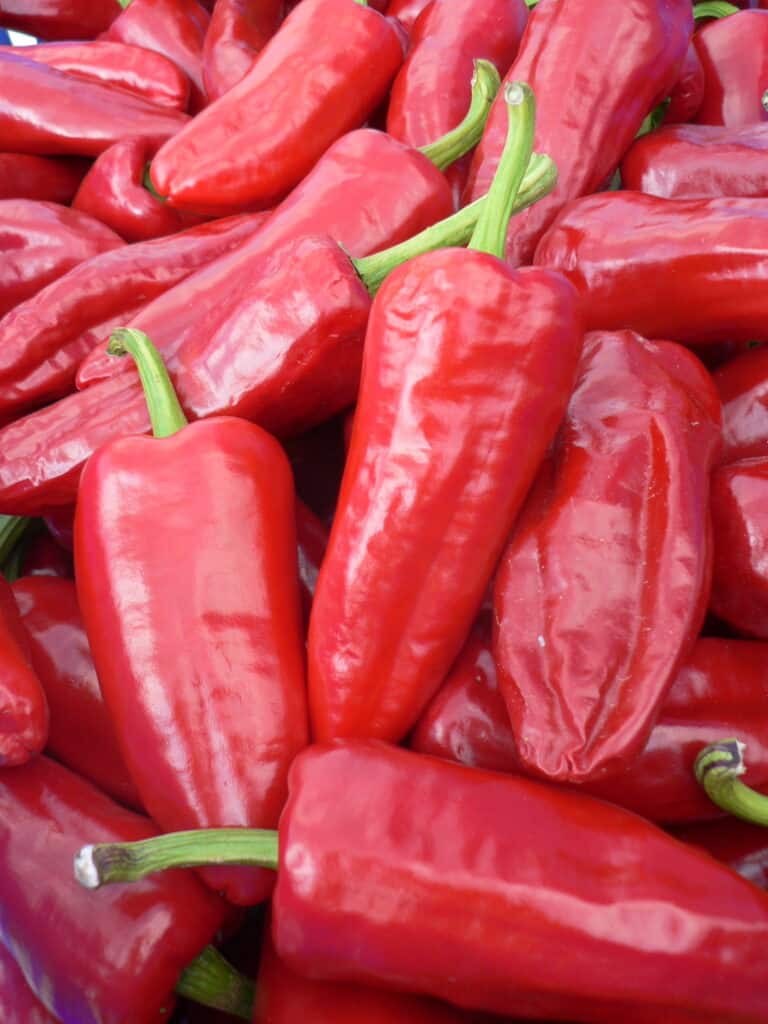
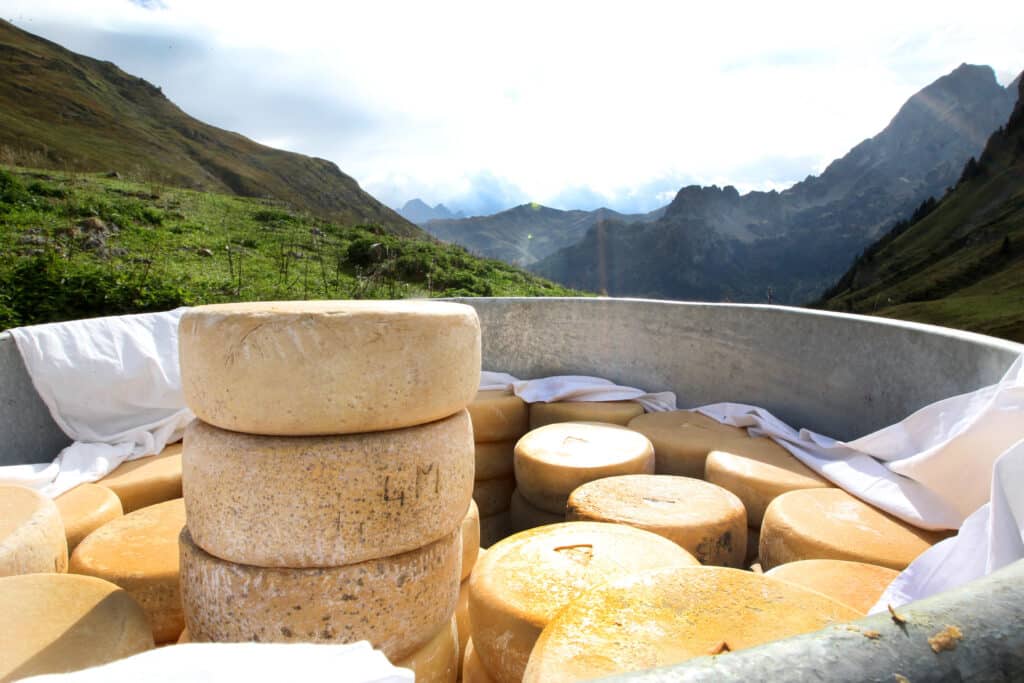
Basque culinary identity isn’t just about ham and chocolate! There’s Espelette pepper, of course, which has conquered all the great international tables; or Ossau-Iraty, an uncooked pressed ewe’s milk cheese matured for at least 80 days, both protected by a PDO. Sweet peppers from Anglet and trout from Banka are also part of the region’s gastronomic palette.
There are also traditional dishes that you absolutely must try during your stay: axoa, marmitako (a tuna-based stew), chipirons à la luzienne, piperade, and of course the unmissable Basque cake, with cream or black cherry jam.
Delicious beverages
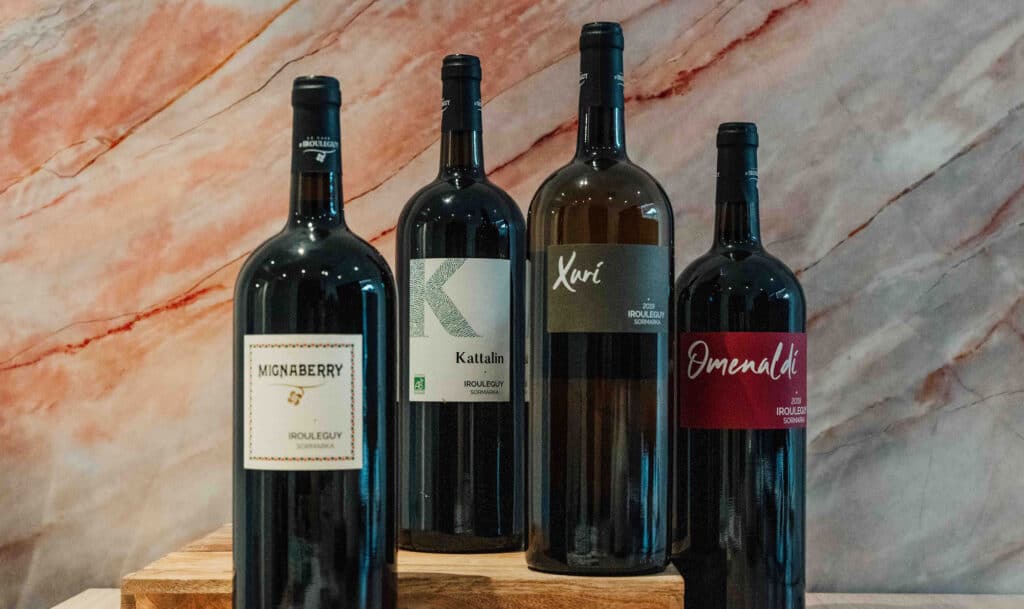
Enjoy a meal with Irouléguy’s excellent white, red and even rosé wines. It’s the only PDO in the Basque country and one of the smallest vineyards in Europe, with just 230 hectares perched in the mountains around Saint-Jean-Pied-de-Port.
You can also opt for sagarno (literally “apple wine”), a type of cider with more alcohol and less sugar than Breton or Norman ciders. Finally, round off your meal with a patxaran a liqueur made from wild sloes macerated in an aniseed-flavored spirit.
You’ll also like
Bayonne, a city of gastronomy
Bayonne is a paradise for gourmets young and old.
Bayonne’s chocolatiers
Follow us for the best addresses.
Guided Tours
Bayonne Tourist Office offers a wide range of guided tours.